

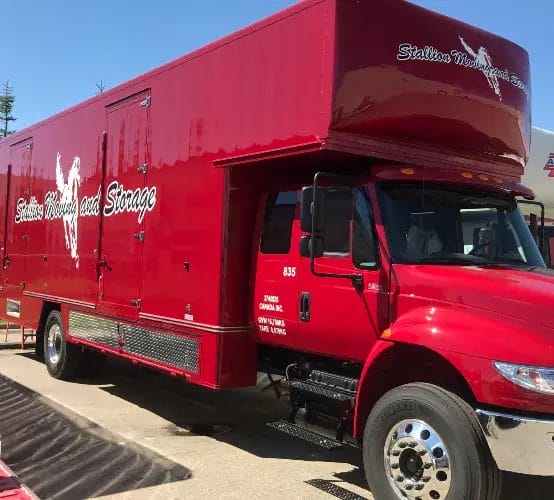
Relocating to a new home represents a significant milestone that brings excitement and a sense of fresh beginnings. While moving can open doors to new experiences and opportunities, it also introduces a financial dimension that can create stress if not carefully planned. Understanding the cost of moving full scope helps you manage your budget, make informed decisions, and approach your relocation with confidence. For individuals in Edmonton, 2026 presents similar moving challenges and costs as previous years, and this guide will walk you through what to expect and how to budget effectively.
Pre-Move Costs
Even before packing boxes and scheduling trucks, several expenses can arise that you need to consider. Planning for these pre-move costs ensures you are financially prepared and sets a smooth tone for the rest of the relocation process.
Decluttering and Downsizing
Sorting through your belongings is an effective strategy to reduce what you transport, which can also influence the overall cost of moving. Engaging in decluttering allows you to sell or donate items you no longer need, providing extra cash or tax deductions. You may incur small costs if you hire a junk removal service, advertise items online, or use platforms like social marketplaces. While decluttering can reduce your load and make packing easier, setting aside a budget for minor expenses ensures you handle this stage without surprises.
Home Repairs and Cleaning
Preparing your current home for sale or simply ensuring it is in good condition for your move involves minor repairs, painting, or professional cleaning services. These steps improve the presentation of your home and can reduce stress during showings or handover. Painting touch-ups, fixing small issues, or hiring a cleaning team may require $200 to $800 depending on the size of your home and level of service. Allocating funds for repairs and cleaning before moving ensures that this important phase does not disrupt your relocation timeline.
Packing Supplies
Boxes, packing tape, bubble wrap, and specialty materials for fragile items form a necessary expense when preparing for a move. Costs typically range between $200 and $600, depending on the size of your home and volume of belongings. Recycled materials or bulk purchases may help you reduce expenses while maintaining safe packaging standards. Paying attention to quality is important, as sturdy boxes and proper packing materials help protect your items, preventing damage that could result in higher cost of moving later.
Hiring Professional Movers
Professional movers can make relocation efficient and less stressful, but they come with associated costs. Understanding the charges involved allows you to plan your budget realistically.
Moving Company Fees
The cost of hiring movers varies depending on distance, weight, and the level of service chosen. Local Edmonton moves can range from $1,000 to $3,000, while long-distance moves may cost significantly more due to additional fuel, labor, and transportation logistics. Requesting detailed quotes and asking for a clear breakdown of fees ensures you are not surprised by hidden charges. Learning how to pick the right packers can save time, protect your belongings, and provide peace of mind throughout the moving process.
Insurance and Liability Coverage
Basic liability coverage is often included in moving services but may only cover a limited portion of your items’ value. Additional insurance is recommended for high-value or fragile belongings, with full-value protection increasing your overall cost but safeguarding your possessions. Consulting with movers about coverage options allows you to choose a level that balances cost with adequate protection.
Additional Services
Movers often provide supplementary services, including packing, unpacking, and handling specialty items such as pianos or artwork. These services are typically billed hourly and may range between $50 and $2,000 depending on complexity and volume. Deciding which tasks to delegate to a professional versus managing independently allows you to balance convenience, time, and cost-effectiveness.
Transportation Costs
Transportation represents a significant portion of the cost of moving and varies depending on the distance and method you choose.
Fuel Costs
Fuel prices fluctuate and can affect your total cost of moving, particularly for long-distance relocations. Some moving companies include fuel in their quote, while others add it as a separate line item. Being aware of potential fuel costs ensures that you are not caught off guard on moving day and allows you to plan your budget accurately.
Vehicle Rental or Shipping
Handling part of your move yourself often requires renting a moving truck, with costs varying based base on truck size, distance, and rental duration. Shipping vehicles is another consideration, with car transport ranging between $500 and $1,500 depending on distance and the type of carrier used. Comparing multiple rental or shipping options ensures that you select a solution that aligns with your budget and logistical needs.
Tips for Saving on Moving Costs
While moving can be expensive, strategic planning provides opportunities to reduce expenses and remain financially comfortable throughout the process.
Planning and Timing Your Move
Moving during off-peak periods, such as fall or winter, often results in lower rates. Scheduling your move mid-week or mid-month can also reduce costs. Careful timing and preparation gives you access to competitive pricing while minimizing last-minute stress.
DIY vs. Professional Services
Deciding which tasks you can manage yourself, such as packing non-fragile items or disassembling furniture, helps lower cost of moving. Balancing effort, time, and potential risk ensures that you maintain control over your move while saving money. Identifying areas where professional services add efficiency, such as heavy lifting or handling delicate belongings, allows you to invest wisely.
Leveraging Tax Deductions and Benefits
Work-related relocations may qualify for tax deductions, and some employers offer relocation assistance. Keeping through records and understanding eligible expenses can reduce your overall out-of-pocket costs. Combining employer support with personal planning helps maximize financial benefits during your move. For more on which expenses are eligible and how to claim them for tax purposes, see the CRA’s Moving Expenses guide.
Conclusion
Understanding the cost of moving in 2026 ensures that you approach relocation with clarity and confidence. Taking time to organize, plan, and execute your move can also help you save money on moving costs while ensuring a safe and smooth relocation experience. At Stallion Moving and Storage, we offer comprehensive moving solutions that guide you through each step while providing transparent pricing, expert packing, and secure transportation. Contact us today to get started.
FAQ
What pre-move costs should I expect?
Decluttering, minor repairs, professional cleaning, and packing supplies are typical expenses before moving day. Planning for these helps avoid unexpected financial strain.
How much do professional movers cost?
Local moves typically range between $1,000 and $3,000, while long-distance relocations incur higher costs depending on distance, weight, and services selected.
Is moving insurance necessary?
Additional coverage is recommended for valuable or fragile items. Basic liability may not fully protect your possessions during transit.
What are typical transportation costs?
Fuel, truck rental, and car shipping are key considerations. Costs vary depending on distance, size of load, and transport method.
How can I save on the cost of moving?
Moving off-peak, completing some tasks yourself, and leveraging employer relocation benefits or tax deductions are effective ways to manage expenses.