
Moving into a new home can bring excitement, yet it often comes with worries, especially when handling fragile items. Your belongings may include objects of emotional significance or delicate materials that could easily break during transit. Protecting these items is not just about avoiding financial loss; it is about preserving memories and ensuring that your home continues to feel familiar in the new space. Taking the time to understand how to pack fragile items properly can reduce stress, safeguard your possessions, and give you confidence as you prepare for the move. Following careful strategies allows you to approach packing in an organized and efficient way.
Using the Right Packing Materials

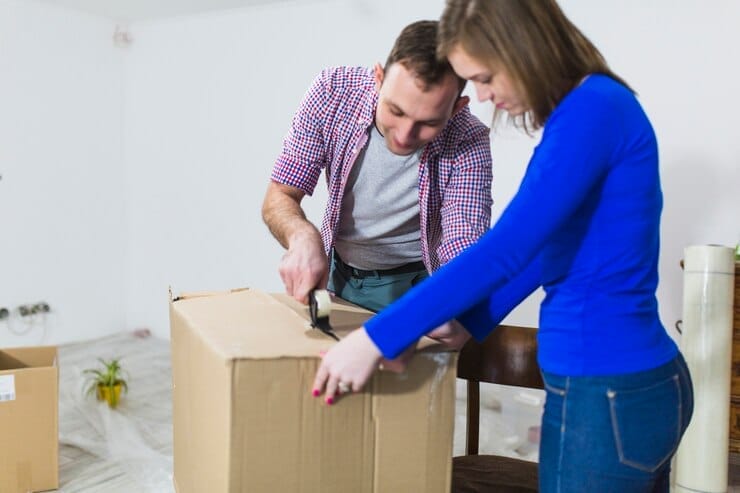
The foundation of protecting fragile items lies in choosing the right materials. Boxes that are sturdy and appropriately sized prevent collapse and reduce the risk of damage. You should wrap each object with bubble wrap or packing paper, creating a cushioned layer around every item. Packing tape keeps the boxes secure during handling and transit. If boxes contain spaces where items can shift, filling them with packing peanuts or crumpled paper absorbs shocks and prevents movement. Properly prepared boxes not only protect your belongings but also make handling by movers easier and safer.
Handling Hollow and Fragile Items
Delicate objects like vases, figurines, glass bowls, or ceramics require extra care. Filling hollow items with crumpled paper or tissue provides stability, preventing movement that could lead to breakage. Small and lightweight items should go into small boxes to reduce the risk of crushing, while heavier items are best packed in boxes that can bear the load comfortably. Whenever possible, pack fragile objects vertically rather than horizontally to reduce stress on the edges and minimize pressure. Using original packaging offers excellent protection if it is available, but bubble wrap, foam, and careful padding are effective alternatives.
Labeling and Inventory
Proper labeling of boxes is critical for smooth handling and unpacking. Mark boxes as fragile and specify the room or contents so movers know how to handle them appropriately. Maintaining an inventory list helps track every item during the move. This is especially important for insurance purposes and can prevent any confusion or loss. Creating detailed labels also ensures that unpacking is organized and that the items you need first are easily accessible.

Carrying Valuable Items Yourself
Certain possessions, especially those of high financial or sentimental value, are safest when you transport them yourself. Keep these items with you during the move, taking care to pack them securely even if you are carrying them personally. Small boxes with extra padding or a secure bag for delicate objects can provide peace of mind. Handling the most valuable items personally reduces the likelihood of damage or misplacement.
Packing Glassware and Stemware
Glasses, wine goblets, and delicate stemware deserve special attention. Use divider boxes or wrap each glass individually with paper or bubble wrap. Place them upright to prevent stems from breaking and make sure the boxes are not overpacked. Lining the bottom and sides with cushioning adds extra protection. These steps ensure that fragile glassware arrives safely without cracks, chips, or scratches.
Avoid Overstuffing Boxes
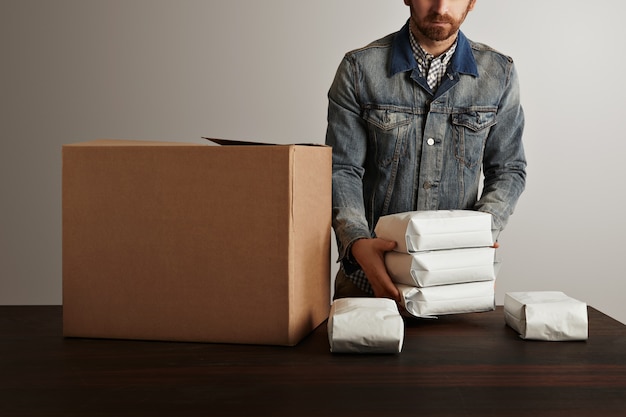
Packing too many items into a single box is a common mistake that increases the risk of breakage. Overstuffed boxes can collapse under weight or make lifting dangerous for both you and the movers. Instead, distribute items across multiple boxes, prioritizing protection over convenience. Additional boxes may seem like an added cost, but they provide security for your fragile belongings and simplify the moving process.
Using Professionals for Fragile Items
Even with careful packing, certain items require professional handling. Movers trained in transporting fragile and high-value possessions have access to the right materials, techniques, and equipment. Their expertise ensures that delicate objects are loaded, transported, and unloaded safely. Insurance coverage provided by professional movers protects against accidental damage, giving you confidence that your treasured possessions are secure throughout the move. Professionals can also provide packing services, which saves time and reduces the physical strain of handling heavy or awkward items.
Additional Packing Tips
Creating a clear plan before packing makes the process much smoother. Consider the following strategies:
- Sort items by room and priority so that essentials are easy to access.
- Use color-coded labels or stickers to quickly identify boxes at a glance.
- Prepare an “Open First” box containing items you will need immediately in your new home, such as kitchenware, toiletries, and important documents.
- Wrap each item individually and add cushioning between them to protect against movement and vibration during transit.
Call to Action
A successful move for fragile items involves careful preparation, proper materials, and sometimes professional help. At Stallion Van Lines, we provide professional packing, handling, and transportation services for fragile belongings. Our team ensures that every item is packed properly, handled safely, and transported securely. Contact us today for a consultation and enjoy a move that is organized, stress-free, and safe for your most delicate possessions.
FAQ Section
Q: How can I safely pack fragile items for a move?
A: Use sturdy boxes, bubble wrap, packing paper, and fill empty spaces to prevent movement.
Q: Is it important to label boxes containing fragile items?
A: Yes, labeling alerts movers to handle items carefully and simplifies unpacking.
Q: Can I pack fragile items in larger boxes?
Small or medium boxes are safer, reducing weight and pressure on delicate items.
Q: Should I pack delicate items vertically or horizontally?
A: Vertical packing is preferable for glasses, plates, and other fragile items to prevent pressure damage.
Q: What if I don’t have the original packaging for fragile items?
A: Layer bubble wrap and padding to create a protective cushion inside a sturdy box.
Q: Can I transport valuable or fragile items myself?
A: Yes, keep them with you in secure containers to reduce the risk of damage.
Q: What is the best way to pack glasses and stemware?
A: Use dividers or wrap each piece individually with cushioning and pack upright.
Q: How do I avoid overstuffing moving boxes?
A: Distribute items across multiple boxes to prevent crushing and facilitate lifting.
Q: Should I hire professionals to move fragile items?
A: Professional movers reduce the risk of damage and provide insurance coverage for peace of mind.
Q: How can Stallion Van Lines help with packing fragile items?
They offer expert packing, careful handling, and secure transportation to protect delicate belongings.